
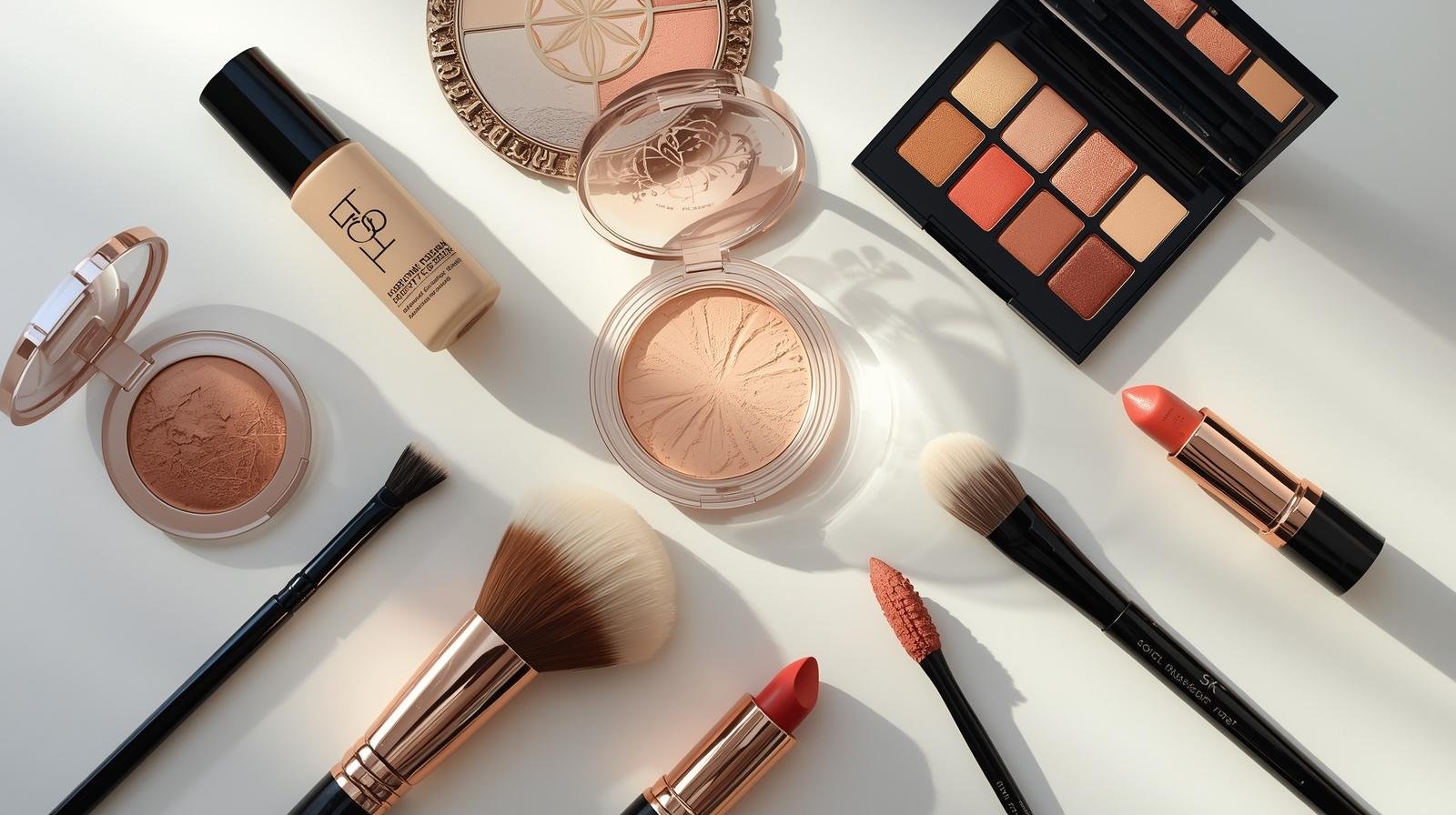
Starting with makeup can feel confusing because stores and online shops offer many products. Beginners often buy too much, skip key basics, or choose items that do not suit their skin tone or routine. The truth is that a useful beginner makeup kit does not need many items. A small set of core products can help you learn application skills, create daily looks, and build confidence.
This guide explains the essential makeup products for beginners, how each product works, how to choose the right one, and how to build a routine that fits daily use.
Why Beginners Should Start With Basics
Buying many products at once can lead to waste and confusion. A simple kit helps you:
- Learn product order
- Practice blending
- Understand your skin tone
- Save money
- Create daily looks faster
- Replace products only when needed
Start with products that give the most use.
1. Primer
Primer is applied before foundation or base makeup. It helps prepare the skin surface.
What Primer Can Do
- Smooth texture
- Help makeup stay in place
- Reduce shine
- Support even application
How to Choose Primer
For Oily Skin
Use mattifying primer.
For Dry Skin
Use hydrating primer.
For Large Pores
Use pore-blurring primer.
Beginners can skip primer at first if using moisturizer and sunscreen.
2. Foundation or Skin Tint
Foundation helps even out skin tone. Skin tint gives lighter coverage and may feel easier for beginners.
Types
- Liquid foundation
- Powder foundation
- Stick foundation
- Skin tint
How to Choose Shade
Test near jawline in natural light. The right shade should blend into skin.
How to Apply
Use:
- Fingers
- Sponge
- Brush
Start with a small amount.
3. Concealer
Concealer is used to cover dark circles, blemishes, and redness.
Where to Use
- Under eyes
- Around nose
- On spots
Shade Tips
- Match skin tone for blemishes
- Slightly lighter for under eyes
Blend gently.
4. Compact Powder or Loose Powder
Powder helps reduce shine and set cream products.
Useful For
- Oily skin
- Warm weather
- Long workdays
Where to Apply
- Forehead
- Nose
- Chin
- Under eyes lightly
Use a small amount.
5. Blush
Blush adds life to the face.
Forms
- Powder blush
- Cream blush
- Liquid blush
Beginner Tip
Powder blush is easier to control.
Apply to cheeks and blend upward.
6. Bronzer or Contour (Optional)
These products add shape or warmth.
For Beginners
This step is optional. Learn base makeup first.
Use lightly under cheekbones, jawline, or forehead edge.
7. Highlighter (Optional)
Highlighter adds glow to raised areas.
Apply To
- Cheekbones
- Nose bridge
- Brow bone
Use a small amount.
8. Eyebrow Product
Brows frame the face.
Types
- Pencil
- Powder
- Gel
- Pomade
Best Beginner Choice
Brow pencil or tinted brow gel.
Use light strokes.
9. Mascara
Mascara defines lashes and opens the eyes.
Choose Based On Need
- Lengthening
- Volumizing
- Waterproof
- Smudge-resistant
Apply from root to tip.
10. Eyeliner (Optional)
Eyeliner defines the lash line.
Types
- Pencil
- Gel
- Liquid
Best for Beginners
Pencil liner is easiest to control.
11. Eyeshadow Palette
A small neutral palette is useful for learning.
Good Beginner Shades
- Brown
- Beige
- Taupe
- Soft shimmer
Use one shade on lid and one in crease.
12. Lip Product
Lip color completes the look.
Options
- Lip balm
- Lipstick
- Lip tint
- Gloss
- Lip liner
Beginner Tip
Start with balm or tint for easy use.
13. Makeup Brushes and Tools
You do not need many brushes.
Basic Tools
- Foundation sponge or brush
- Powder brush
- Blush brush
- Eyeshadow brush
- Brow spoolie
Clean tools often.
14. Setting Spray (Optional)
Setting spray helps makeup last longer.
Useful for:
- Long days
- Events
- Humid weather
Best Beginner Makeup Kit List
If starting from zero, buy these first:
- Concealer
- Skin tint or foundation
- Powder
- Blush
- Brow pencil
- Mascara
- Lip balm or lipstick
- Basic brush set
How to Choose Makeup by Skin Type
Oily Skin
- Matte foundation
- Powder
- Oil-control primer
Dry Skin
- Hydrating base products
- Cream blush
- Dewy formulas
Sensitive Skin
- Fragrance-free products
- Simple formulas
- Patch test first
Common Beginner Makeup Mistakes
Buying Wrong Shade
Always test in natural light.
Using Too Much Product
Start with light layers.
Ignoring Tools Hygiene
Dirty brushes can affect skin.
Copying Full Glam Looks Too Soon
Learn daily basics first.
Not Blending Enough
Blend edges for smooth finish.
Simple Daily Makeup Routine for Beginners
- Moisturizer
- Sunscreen
- Skin tint
- Concealer
- Powder on T-zone
- Blush
- Brows
- Mascara
- Lip balm
How to Save Money as a Beginner
- Buy core items first
- Finish products before replacing
- Choose multi-use products
- Avoid trend impulse buying
- Read reviews before purchase
SEO FAQ Section
What makeup products do beginners need first?
Foundation or skin tint, concealer, powder, blush, mascara, brow pencil, and lip product.
Is primer necessary for beginners?
Not always. Moisturizer and sunscreen may be enough at first.
Which makeup product is easiest to start with?
Concealer and lip balm are easy starting products.
How many brushes do beginners need?
Only a few basic brushes or one sponge and two brushes.
Should beginners use foundation every day?
Not necessary. Many use concealer or skin tint instead.
Final Thoughts
Essential makeup products for beginners should be simple and useful. Start with base products, brows, mascara, blush, and lips. Learn how each product works before buying more. Choose shades carefully, use light layers, and practice often. A small makeup kit with the right products can create many looks and help build skill over time.