


Introduction
Aging is a process that affects every part of the body. How the body functions at older ages depends on daily habits, nutrition, physical activity, and lifestyle patterns. Maintaining a consistent approach to health can support energy, movement, and overall function.
Healthy aging is not about stopping aging but supporting the body to function efficiently over time. This involves protecting mobility, maintaining cognitive function, regulating weight, and preventing chronic conditions.
This article explains practical strategies for staying active and maintaining body function as age increases.
Physical Activity
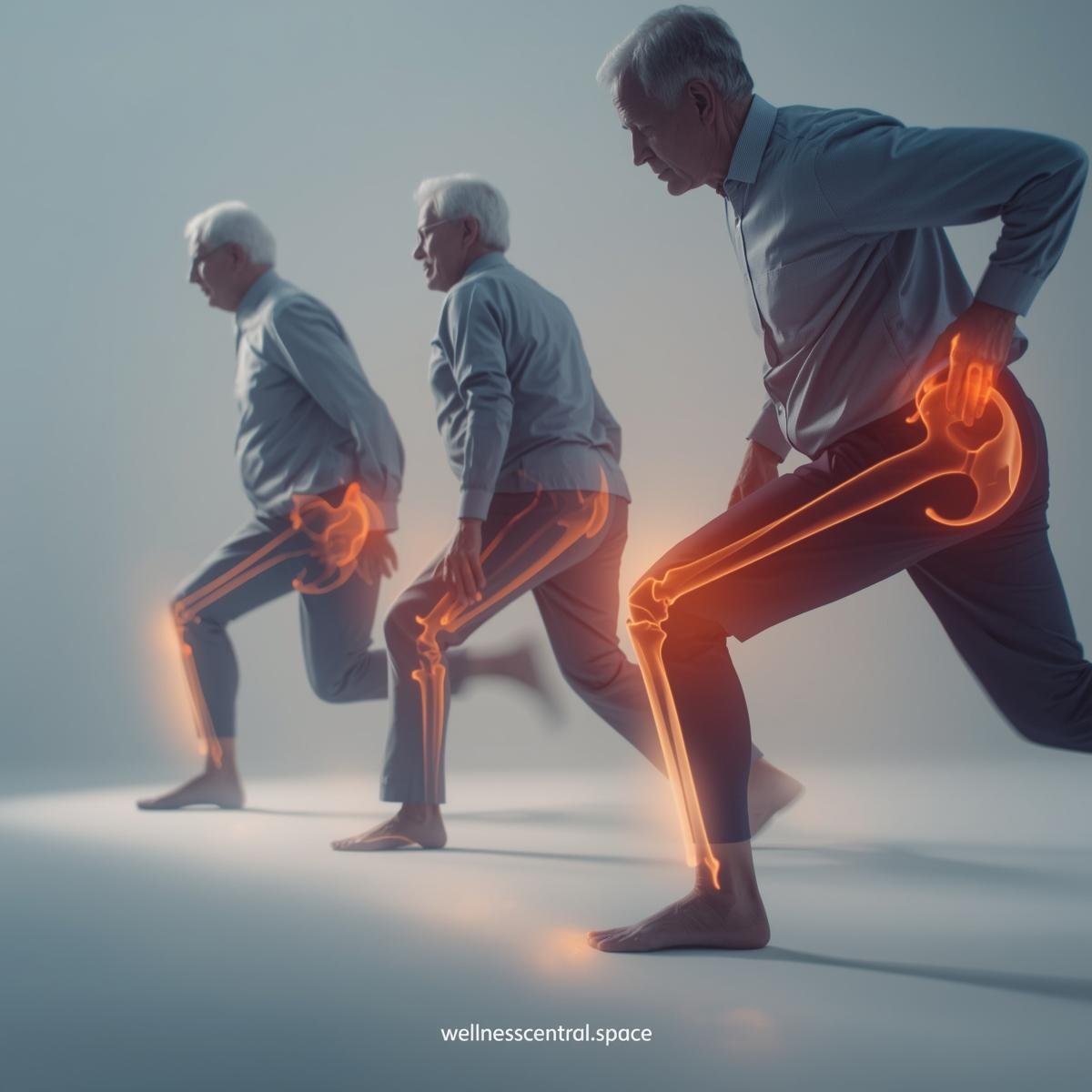
Movement supports joint function, muscle strength, and cardiovascular efficiency. Regular physical activity maintains balance, coordination, and endurance.
Recommended Practices
- Walking or light cardio daily
- Strength training to maintain muscle mass
- Flexibility exercises for joints
- Balance exercises to prevent falls
Consistent activity supports mobility and reduces the risk of injury.
Nutrition and Hydration
Nutrient intake affects body function and energy. Older adults may require adjustments in protein, vitamins, minerals, and fluids.
Key Considerations
- Protein supports muscle maintenance and tissue repair
- Vitamins and minerals support bone and immune health
- Hydration ensures circulation and temperature regulation
Regular meals with balanced nutrients support energy levels and prevent functional decline.
Sleep and Rest
Sleep supports cognitive function, immune regulation, and tissue repair. Age may alter sleep patterns, making consistency important.
Sleep Strategies
- Maintain regular sleep schedule
- Avoid heavy meals before bedtime
- Create a sleep-supportive environment
Rest supports recovery and overall body function.
Cognitive Activity
Mental function can be maintained through consistent cognitive engagement. Problem-solving, learning new skills, and social interaction stimulate the brain.
Cognitive Practices
- Reading and writing
- Puzzles or strategy games
- Social activities
- Learning new skills or languages
Engaging the brain regularly supports memory and attention over time.
Regular Health Checkups
Monitoring body function through checkups helps identify changes early. Blood pressure, cholesterol, glucose, and bone density are examples of measurable indicators.
Recommended Actions
- Annual physical examinations
- Regular screenings based on age
- Tracking functional abilities such as balance and strength
Early detection allows intervention before functional decline progresses.
Stress Management
Chronic stress affects hormonal balance, cardiovascular function, and immune regulation. Managing stress supports long-term health.
Stress Reduction Practices
- Breathing exercises
- Light movement or stretching
- Time outdoors
- Structured daily routines
Reducing stress improves sleep, energy, and functional capacity.
Maintaining Social Connections
Interaction with others supports mental health, cognitive function, and emotional stability. Loneliness can affect energy and motivation.
Social Strategies
- Regular visits with family or friends
- Community engagement or volunteer work
- Group activities or classes
Social engagement contributes to overall well-being and quality of life.
Preventive Measures
Preventive habits reduce the risk of illness or injury. Vaccinations, safe movement practices, and ergonomic adjustments support aging safely.
Preventive Actions
- Vaccination updates
- Use of supportive footwear or aids if needed
- Fall prevention strategies
Preventive measures allow the body to function with less strain over time.
Conclusion
Healthy aging relies on consistent daily habits. Movement, nutrition, hydration, rest, cognitive engagement, stress management, and social interaction all influence function.
By maintaining these practices, the body can retain mobility, energy, and functional independence, reducing the impact of age on daily life.



Leave a Reply