


Introduction
Aging is a continuous process influenced by genetics, environment, and lifestyle. While genetics cannot be changed, lifestyle and nutrition significantly affect how the body functions over time.
Slowing the effects of aging naturally involves supporting the body’s repair mechanisms, maintaining energy levels, and preventing functional decline. This article explains practical strategies that reduce age-related changes through daily habits.
Nutrition for Aging Support
Nutrient intake supports cell repair, tissue maintenance, and energy production. Balanced nutrition helps regulate weight, support immunity, and maintain organ function.
Key Nutrients
- Protein: Supports muscle maintenance and repair
- Calcium and Vitamin D: Maintain bone health
- B Vitamins: Support nerve function and energy metabolism
- Antioxidants from vegetables and fruits: Reduce cellular stress
- Omega-3 fatty acids: Support cardiovascular and joint function
Consistent nutrient intake allows the body to maintain function over time.
Hydration
Water is essential for circulation, temperature regulation, and digestion. Aging may reduce the body’s sensation of thirst, making regular hydration important.
Hydration Tips
- Drink fluids consistently throughout the day
- Include hydrating foods such as fruits and vegetables
- Limit excessive caffeine and alcohol
Hydration supports cell function and tissue repair.
Physical Activity
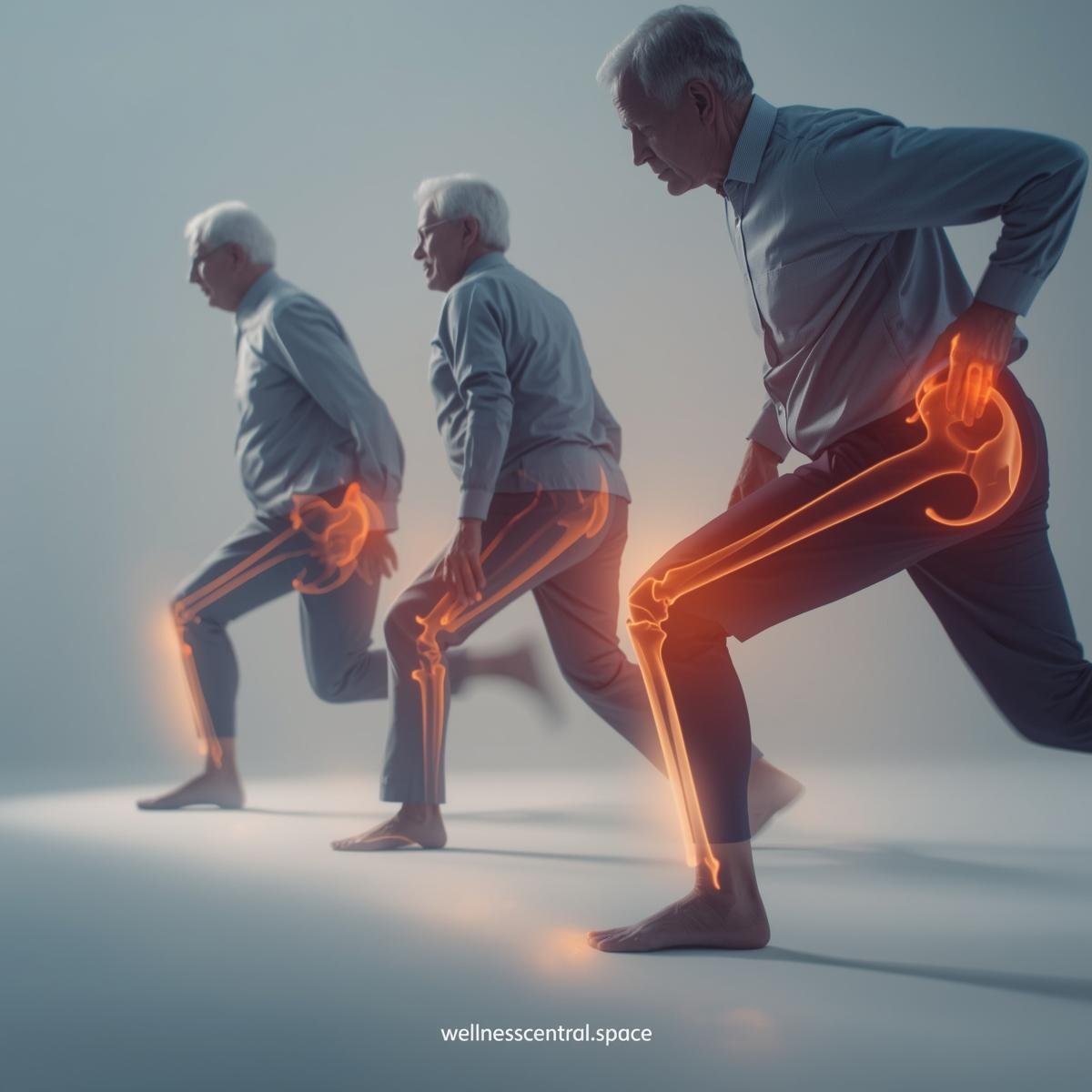
Exercise maintains muscle mass, joint function, and cardiovascular health. It also supports metabolism and functional independence.
Recommended Practices
- Strength training 2–3 times per week
- Daily walking or light cardio
- Stretching and mobility exercises
- Balance exercises to prevent falls
Regular activity slows functional decline and supports daily movement.
Sleep and Recovery
Sleep allows tissue repair, immune regulation, and cognitive maintenance. Aging can change sleep patterns, making consistent sleep critical.
Strategies for Sleep
- Keep a regular sleep schedule
- Avoid heavy meals and screens before bedtime
- Create a comfortable sleep environment
Quality sleep supports energy, repair, and overall health.
Stress Management
Chronic stress accelerates age-related changes by affecting hormonal balance, cardiovascular function, and immune signaling.
Stress Reduction Techniques
- Meditation or breathing exercises
- Light physical activity
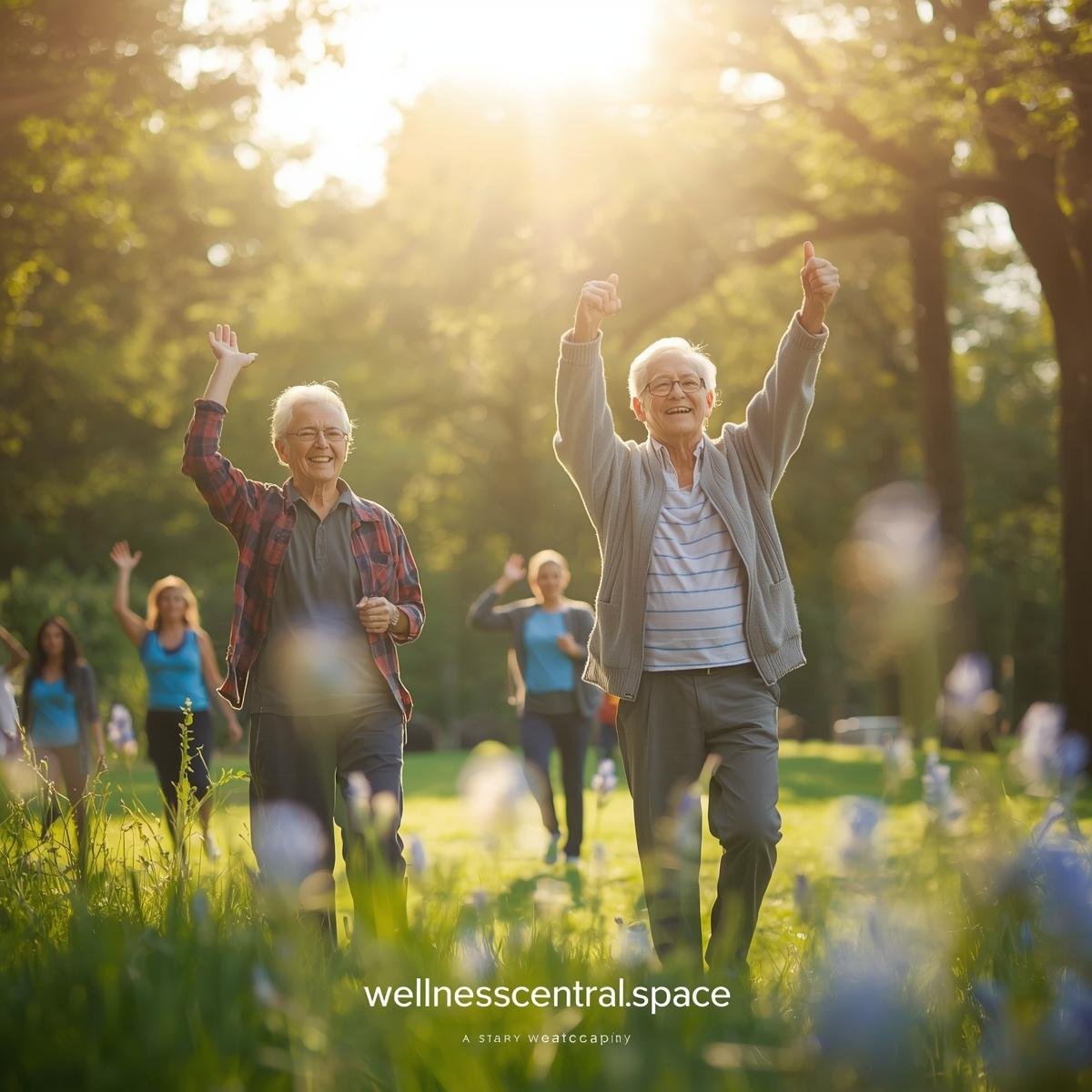
- Time outdoors
- Structured routines
Reducing stress helps maintain body function and energy levels.
Cognitive Engagement
Cognitive decline can be slowed through regular mental activity. Learning, problem-solving, and social interaction stimulate the brain.
Cognitive Practices
- Reading and writing regularly
- Puzzles or strategy games
- Learning new skills
- Social activities
Engaging the brain maintains attention, memory, and processing speed.
Avoiding Harmful Habits
Certain habits accelerate aging. Limiting these reduces strain on organs and tissues:
- Smoking and tobacco use
- Excessive alcohol consumption
- Poor diet or low nutrient intake
- Sedentary behavior
Replacing harmful habits with supportive routines slows functional decline.
Sunlight and Vitamin D
Sunlight supports vitamin D production, which is important for bone and immune health.
Recommendations
- Regular outdoor activity
- Exposure to sunlight in safe amounts
- Dietary sources of vitamin D if needed
Supporting vitamin D levels reduces the risk of bone and immune issues over time.
Consistency and Routine
Daily consistency supports long-term health. Regular eating, sleeping, moving, and socializing maintains body and mind function.
Routine Strategies
- Plan meals and activity schedules
- Maintain sleep and wake times
- Engage in daily movement
- Include mental and social activities
Consistency ensures the body operates efficiently and reduces age-related stress.
Conclusion
Slowing aging naturally relies on lifestyle choices. Balanced nutrition, hydration, consistent physical activity, sleep, stress management, cognitive engagement, and avoidance of harmful habits all contribute to maintaining function.
Consistent daily habits allow the body to repair, maintain, and perform efficiently, reducing the impact of age on daily life.


Leave a Reply