
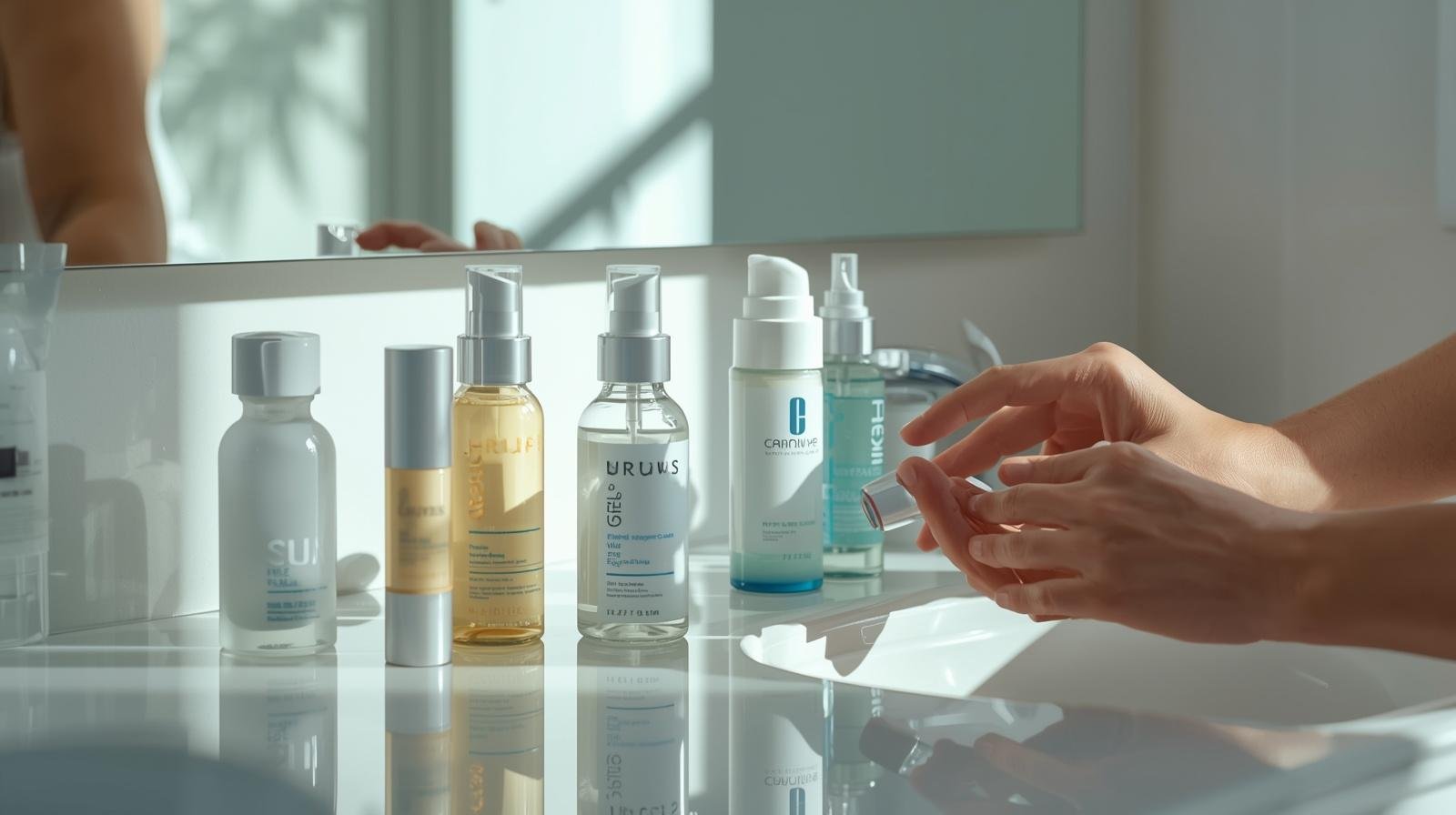
Clear skin often comes from steady habits, not expensive products. A daily skincare routine helps remove dirt, balance oil, support the skin barrier, and reduce breakouts. Many people try random products without a plan, which can lead to irritation and poor results. A simple routine done every day can make a real difference.
This guide explains a full daily skincare routine for clear skin, how to build it, what products to use, and mistakes to avoid.
Why a Daily Skincare Routine Matters
Your skin faces sweat, dust, oil, sunlight, and pollution every day. If these stay on the skin, pores may clog and breakouts may appear. A regular skincare routine helps:
- Remove dirt and oil
- Keep pores clean
- Reduce acne risk
- Support hydration
- Improve skin tone
- Protect from sun damage
- Slow signs of aging
- Build healthy habits
Consistency is often more important than using many products.
Know Your Skin Type First
Before starting any routine, know your skin type. This helps you choose the right products.
Oily Skin
- Face looks shiny after a few hours
- Pores may appear larger
- Breakouts happen often
Dry Skin
- Skin feels tight after washing
- Flakes may appear
- Skin may feel rough
Combination Skin
- Oily T-zone
- Dry or normal cheeks
Sensitive Skin
- Burns or stings with some products
- Redness appears easily
Normal Skin
- Balanced oil and moisture
- Few skin issues
Once you know your skin type, building a routine becomes easier.
Morning Skincare Routine for Clear Skin
Morning care prepares your skin for the day.
Step 1: Cleanser
Wash your face with a gentle cleanser to remove sweat and oil from sleep.
Choose:
- Gel cleanser for oily skin
- Cream cleanser for dry skin
- Mild cleanser for sensitive skin
Wash for 30 to 60 seconds and rinse with lukewarm water.
Step 2: Toner (Optional)
Toner can help refresh the skin and prepare it for the next step.
Use alcohol-free toner. Skip this step if toner causes irritation.
Step 3: Serum
Serums target specific skin concerns.
Good choices:
- Niacinamide for oil and pores
- Vitamin C for marks and dullness
- Hyaluronic acid for hydration
Use 2 to 3 drops.
Step 4: Moisturizer
Many people skip moisturizer, especially those with oily skin. This is a mistake.
Moisturizer helps balance water levels and supports the skin barrier.
Choose:
- Gel moisturizer for oily skin
- Cream moisturizer for dry skin
- Fragrance-free option for sensitive skin
Step 5: Sunscreen
This is one of the most important steps.
Use broad-spectrum SPF 30 or higher every morning. Sunscreen helps prevent:
- Dark spots
- Premature aging
- Sunburn
- Uneven tone
- Damage after acne healing
Reapply if outdoors for long periods.
Night Skincare Routine for Clear Skin
Night care helps repair skin after the day.
Step 1: Remove Sunscreen and Dirt
Use cleanser to wash away sunscreen, sweat, and pollution.
If wearing makeup, use cleansing balm or micellar water first.
Step 2: Second Cleanse
Use your face cleanser again for a clean surface.
Step 3: Treatment Product
Night is a good time for active ingredients.
Use one of these:
Salicylic Acid
Helps unclog pores and reduce acne.
Retinol
Supports skin renewal and helps marks.
Benzoyl Peroxide
Used for active acne.
Azelaic Acid
Helps redness and marks.
Do not use too many active products together.
Step 4: Moisturizer
Apply moisturizer after treatment products to reduce dryness.
Weekly Skincare Steps for Clear Skin
Some treatments are not needed every day.
Exfoliation (1 to 2 Times Weekly)
Exfoliation removes dead skin cells.
Use chemical exfoliants like:
- Salicylic acid
- Glycolic acid
- Lactic acid
Do not scrub hard with rough particles.
Clay Mask (1 Time Weekly)
Clay masks may help oily skin by reducing surface oil.
Hydrating Mask
Useful for dry or stressed skin.
Best Ingredients for Clear Skin
Niacinamide
Helps oil control and pore appearance.
Salicylic Acid
Good for acne-prone skin.
Hyaluronic Acid
Supports hydration.
Vitamin C
Helps marks and uneven tone.
Ceramides
Support skin barrier health.
Zinc
Often included in acne products.
Lifestyle Habits That Support Clear Skin
Products help, but lifestyle also matters.
Sleep
Aim for regular sleep. Poor sleep may increase stress and breakouts.
Water Intake
Drink enough water daily.
Food Choices
Some people notice acne triggers from sugar or dairy. Results vary.
Try:
- Fruits
- Vegetables
- Protein
- Whole grains
Stress Control
Stress may worsen acne. Try:
- Walking
- Prayer
- Quiet time
- Exercise
- Deep breathing
Pillowcases and Towels
Change pillowcases often. Use a clean towel for your face.
Common Mistakes That Prevent Clear Skin
Washing Too Much
Overwashing can damage the skin barrier.
Picking Pimples
Can lead to marks and infection.
Using Too Many Products
This may irritate skin and cause breakouts.
Skipping Sunscreen
Sun can darken acne marks.
Changing Products Too Fast
Many products need weeks to show results.
Sample Routine for Oily Skin
Morning
- Gel cleanser
- Niacinamide serum
- Gel moisturizer
- Sunscreen
Night
- Cleanser
- Salicylic acid
- Moisturizer
Sample Routine for Dry Skin
Morning
- Cream cleanser
- Hydrating serum
- Cream moisturizer
- Sunscreen
Night
- Cleanser
- Ceramide cream
- Moisturizer
Sample Routine for Sensitive Skin
Morning
- Mild cleanser
- Fragrance-free moisturizer
- Mineral sunscreen
Night
- Cleanser
- Moisturizer
How Long Until Skin Looks Clear?
This depends on the issue.
- Hydration changes: days
- Mild acne improvement: 4 to 8 weeks
- Dark marks: 2 to 6 months
- Texture improvement: several weeks
Stay consistent.
When to See a Dermatologist
Seek expert help if you have:
- Painful acne
- Cystic breakouts
- Scars
- Severe redness
- Rash
- No improvement after 3 months
SEO FAQ Section
What is the best daily skincare routine for clear skin?
Cleanser, moisturizer, sunscreen in the morning. Cleanser, treatment, moisturizer at night.
Can clear skin happen naturally?
Yes, with steady habits, balanced food, sleep, and the right products.
How many times should I wash my face?
Usually twice daily.
Is sunscreen needed indoors?
Yes, especially near windows or screens during daylight.
Can oily skin skip moisturizer?
No. Use a light moisturizer.
Final Thoughts
A daily skincare routine for clear skin does not need to be complex. Cleanse, treat, moisturize, and protect your skin every day. Stay patient and avoid switching products too often. Small daily habits can lead to visible results over time.