
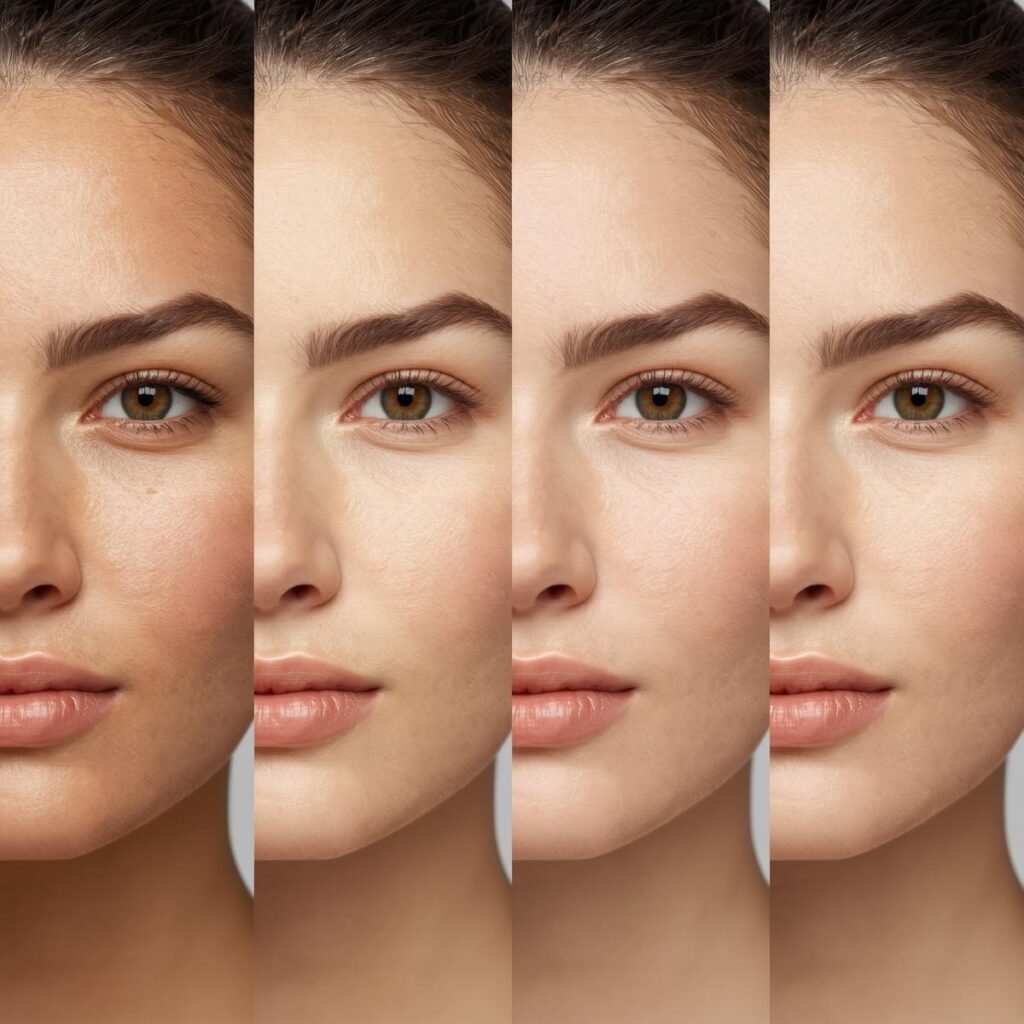

Understanding your skin type is the first step in building an effective skincare routine. Each skin type has unique characteristics and requires specific care to maintain balance, prevent problems, and support long-term skin health. This guide explains the different skin types, how to identify yours, and the best care practices for each.
Why Knowing Your Skin Type Matters
Using products that do not match your skin type can lead to issues such as:
- Excess oil or dryness
- Irritation or redness
- Breakouts or clogged pores
- Premature aging
Identifying your skin type helps you choose cleansers, moisturizers, and treatment products that support your skin’s natural balance rather than disrupt it.
The Main Skin Types
1. Normal Skin
- Even tone
- Minimal imperfections
- Balanced moisture and oil production
- Smooth texture
Care Recommendations:
- Gentle cleanser
- Lightweight moisturizer
- Sunscreen daily
- Occasional exfoliation
Normal skin is relatively low maintenance but still benefits from protective and hydrating products.
2. Oily Skin
- Visible shine, especially on the T-zone
- Enlarged pores
- Prone to blackheads and acne
Care Recommendations:
- Use a gel or foaming cleanser
- Lightweight, oil-free moisturizer
- Toner to control oil levels
- Non-comedogenic sunscreen
- Avoid heavy creams that block pores
3. Dry Skin
- Tight or rough texture
- Flaking or peeling
- Dull appearance
- Less elasticity
Care Recommendations:
- Cream-based cleansers
- Rich, hydrating moisturizers
- Serums containing hyaluronic acid or glycerin
- Gentle exfoliation once a week
- Sunscreen with added moisturizers
4. Combination Skin
- Oily T-zone (forehead, nose, chin)
- Dry or normal cheeks
- Uneven texture
Care Recommendations:
- Use a balanced cleanser
- Lightweight moisturizer on the T-zone
- Rich moisturizer on dry areas
- Spot treatments for breakouts
Combination skin may require mixing products to meet the needs of different areas of the face.
5. Sensitive Skin
- Easily irritated or red
- Reacts to new products quickly
- Prone to rashes or inflammation
Care Recommendations:
- Fragrance-free, hypoallergenic products
- Avoid harsh exfoliants and strong acids
- Patch test new products before full use
- Use soothing ingredients like aloe vera, chamomile, or oat extract
How to Identify Your Skin Type
Simple Home Test
- Wash your face with a gentle cleanser and pat dry.
- Wait one hour without applying products.
- Observe your skin:
- Normal: Comfortable, no tightness or shine
- Oily: Noticeable shine, especially in T-zone
- Dry: Feels tight or flaky
- Combination: T-zone shiny, cheeks dry or normal
- Sensitive: Redness, itching, or irritation appears
Touch and Observation
- Press tissue on your face to detect oil
- Examine pores under natural light
- Track how your skin reacts to new products
Skincare Needs by Skin Type
Normal Skin
- Maintain balance and hydration
- Prevent sun damage
- Occasional treatment for minor concerns
Oily Skin
- Control excess sebum
- Prevent clogged pores and breakouts
- Keep skin hydrated without adding oil
Dry Skin
- Restore and maintain moisture
- Repair the skin barrier
- Avoid stripping cleansers and harsh chemicals
Combination Skin
- Balance oil and hydration
- Target treatments for T-zone and dry areas
- Adjust product choice seasonally if needed
Sensitive Skin
- Protect from irritation
- Focus on gentle, soothing care
- Introduce new products gradually
Common Skin Concerns and Solutions
- Acne: Use non-comedogenic products, avoid over-cleansing, treat with salicylic acid or benzoyl peroxide.
- Hyperpigmentation: Incorporate vitamin C serum and sunscreen.
- Fine lines: Retinol and hyaluronic acid support hydration and cell turnover.
- Dry patches: Apply rich moisturizers and avoid hot water.
- Excess shine: Use oil-absorbing cleansers and mattifying products.
Lifestyle Factors That Influence Skin
- Diet: Balanced nutrition supports skin function.
- Hydration: Drinking water maintains moisture levels.
- Sleep: Rest aids cell repair.
- Stress: Can trigger breakouts or sensitivity.
- Sun exposure: Causes premature aging and pigmentation.
Skincare products complement lifestyle habits, but cannot replace them.
Seasonal Considerations
- Summer: Lightweight products, SPF every day, focus on oil control.
- Winter: Rich moisturizers, hydration serums, gentle cleansing.
- Monsoon: Prevent excess oil and bacterial buildup.
- Spring/Fall: Adjust routines gradually for weather changes.
How Often to Reevaluate Skin Type
Skin changes with age, hormones, environment, and lifestyle. Reassess every 6–12 months or when noticing:
- New dryness or oiliness
- Increased sensitivity
- Frequent breakouts
- Changes in texture or tone
Building a Routine Based on Skin Type
- Cleanser: Match type (gel, cream, or foaming)
- Toner: Optional, balancing or hydrating
- Serum/Treatment: Target concerns like acne, pigmentation, or aging
- Moisturizer: Lightweight for oily, rich for dry, balanced for combination
- Sunscreen: SPF 30 or higher daily
Tracking Skin Response
- Note improvements in hydration, breakouts, and texture
- Track reactions to new products
- Avoid changing multiple products simultaneously
- Adjust based on seasonal or lifestyle factors
Frequently Asked Questions
Can skin type change over time?
Yes, aging, hormonal changes, and environment can shift your skin type.
Do oily skins need moisturizer?
Yes, but use a lightweight, oil-free formula. Moisturizing prevents excess oil production.
How do I deal with combination skin?
Use different products for oily and dry areas or choose balanced products suitable for both.
Final Thoughts
Understanding your skin type allows you to choose products effectively and prevent problems before they start. A routine tailored to your skin type supports hydration, barrier protection, and long-term health. Track your skin over time, adjust for seasons, and maintain a consistent routine for best results.